
Budapest, Hungary, known as the Pearl of the Danube, dazzles with its neo-Gothic spires, healing thermal waters, and a nightlife scene that pulses from ruin bars to rooftop views. Straddling the river like two distinct cities—hilly Buda and flat Pest—this UNESCO-listed capital blends imperial grandeur with playful modernity, offering travelers a symphony of history, relaxation, and discovery that feels both timeless and refreshingly alive in 2026. Once the heart of the Austro-Hungarian Empire, Budapest now welcomes visitors with affordable elegance, vibrant festivals, and sensory experiences like steaming outdoor pools under winter skies or sunset cruises past illuminated landmarks.
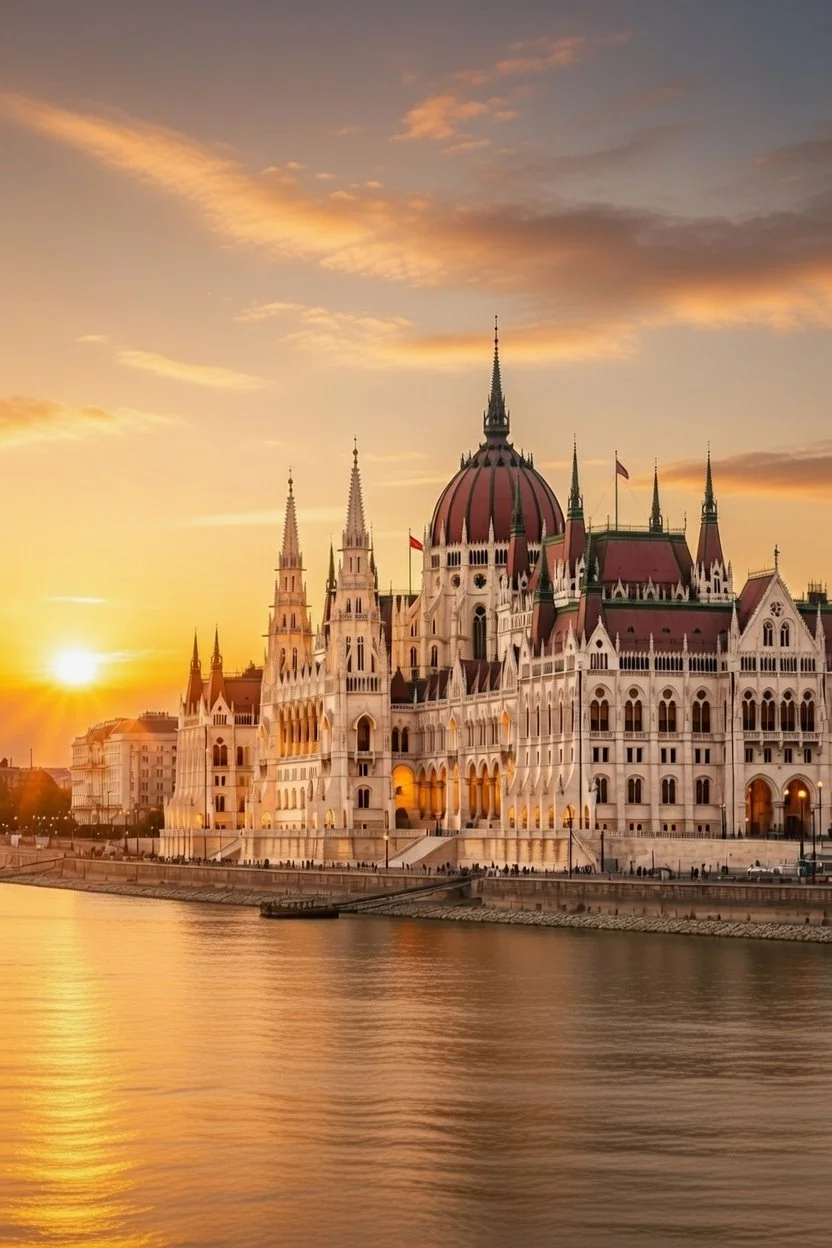
Hungarian Parliament Building
My first glimpse came from the Danube embankment at dusk, where the Hungarian Parliament Building glows like a fairy-tale palace against the water. This neo-Gothic masterpiece, completed in 1902 with 691 rooms and 10 courtyards, dominates the Pest skyline—its red dome and spires lit dramatically after dark. Guided tours (book via the official site) reveal the Holy Crown of Hungary and golden staircase; non-EU visitors pay around 13,000 HUF (~$35), while EU citizens get reduced rates at 6,500 HUF.
Tip: Arrive early for English tours (they sell out fast); combine with a riverside walk for the best photos. The surrounding area is free to explore, making it perfect for a relaxed start.
Crossing the iconic Széchenyi Chain Bridge (free to walk) leads to Buda’s hills and the majestic Fisherman’s Bastion. This fairy-tale terrace, built in 1905 with seven turrets representing Hungary’s tribes, offers panoramic views over the Danube and Parliament. Entry to the upper lookout is free, though the nearby Matthias Church (with its colorful roof and interior frescoes) charges around 2,400 HUF for the church and more for the treasury. Tip: Visit at sunset for golden-hour magic; the bastion’s neo-Romanesque arches frame perfect selfies, and nearby cafés serve strong espresso for 800 HUF.
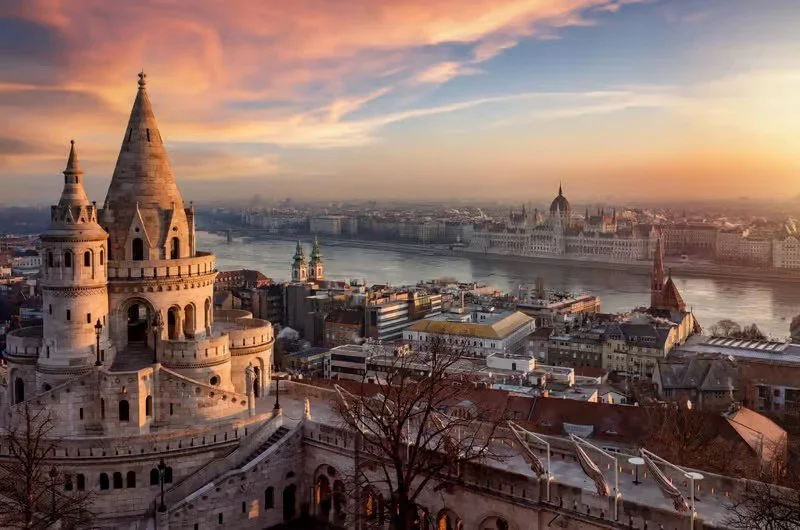
Fisherman's Bastion, Budapest
No trip is complete without Budapest’s world-famous thermal baths. Széchenyi Baths in City Park, Europe’s largest spa complex, features 18 pools (indoor and outdoor) in a neo-Baroque palace—steam rises dramatically in cooler months. Day tickets run 12,500-14,000 HUF (~$33-38), with cabins for privacy.
Tip: Go on weekdays to avoid crowds; pack flip-flops and a towel (rentals available). The outdoor pools stay open year-round, offering a surreal experience with snowflakes or summer sun—pair with a massage for extra indulgence.
St. Stephen’s Basilica rises 96 meters with a dome offering 360-degree views (terrace ticket ~4,500 HUF combined). Inside, marvel at the mummified hand of Hungary’s first king and stunning mosaics. Nearby, Heroes’ Square honors Hungary’s leaders with towering statues—free to wander. For culture, the House of Terror (4,000 HUF) chronicles 20th-century history in a former secret police building.
Danube cruises provide the ultimate overview: 1-hour sightseeing trips with a drink start at $15-30, gliding past landmarks at dusk. Book via GetYourGuide or official operators for audio guides in multiple languages. Tip: Evening cruises catch the lights; opt for unlimited prosecco options for a festive twist.
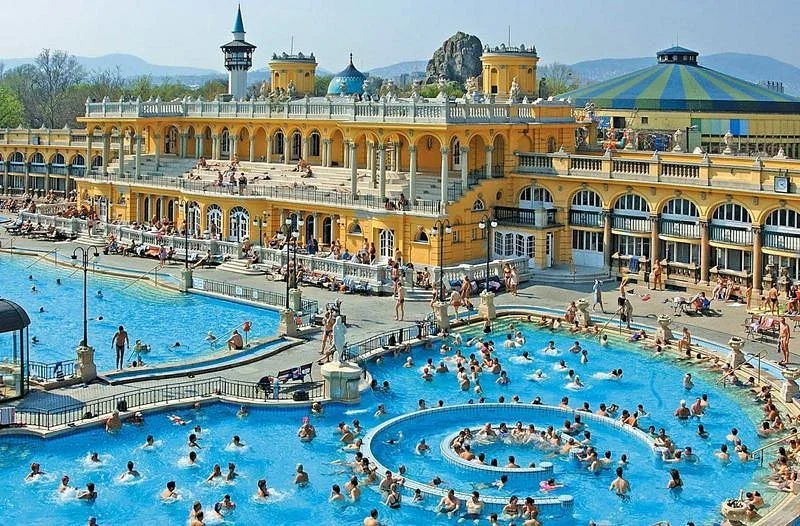
Széchenyi Baths and Pool
Budapest’s food scene shines at the Great Market Hall (free entry) with lángos (fried dough) for 1,500 HUF or goulash soup. Ruin bars in the Jewish Quarter, like Szimpla Kert, mix quirky décor with craft beers (~1,200 HUF). For luxury, stay in a thermal hotel or book via your agency for packages including baths and cruises.
In 2026, time your visit for Sziget Festival (August) or spring events for music and markets. The Budapest Card (from ~€30 for 24 hours) unlocks free transport, museums, one thermal bath, and a cruise—saving up to 50% overall. Public transport is efficient with trams and metro; download the BKK app for real-time info.
Budapest’s charm lies in its contrasts: grand history meets laid-back thermal soaks, all against the Danube’s flow. Whether admiring Parliament from the water or soaking in Széchenyi’s pools, this city invites reflection and joy. For those seeking Europe’s hidden gem, Budapest delivers unforgettable moments—plan your trip soon and let its magic unfold.
Quick Planning Tips
Best Time: Shoulder seasons for fewer crowds; summer for Sziget Festival.
Getting Around: Budapest Card (24-120 hours, from ~€30) covers transport, museums, and a free bath/cruise.
Budget: Daily ~$80-150 including baths and entry fees.