
In the embrace of Rabat's sun-kissed ramparts, where the Atlantic's rhythm harmonizes with calls to prayer, lies a capital that captivates without the chaos of more famous Moroccan cities. As one of 2026's rising stars, Rabat blends royal grandeur with relaxed coastal living, its streets echoing centuries of Phoenician, Roman, and Almohad legacies. It's a place where the air carries hints of jasmine and salted ocean spray, inviting explorers to uncover hidden gardens, vibrant markets, and architectural masterpieces that feel both timeless and refreshingly modern.
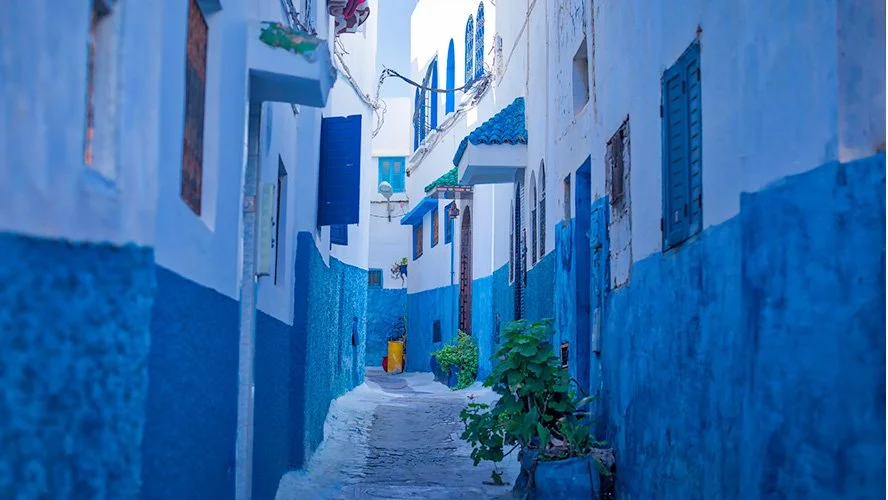
Oudayas Kasbah
My journey began at the iconic Kasbah des Oudaias, a 12th-century clifftop fortress encircled by rose-pink walls and entered through a monumental Bab Oudaia gate. This UNESCO site, perched above the Bou Regreg River and Atlantic, transports you to Rabat's origins with its maze of narrow alleys, blue-and-white painted houses, and citrus-scented Andalusian Gardens—home to the National Jewellery Museum (free entry, open daily 9 AM-5 PM). Savor a traditional mint tea at Café des Oudayas (20-30 MAD) while gazing at Salé across the water; the views are breathtaking at sunset. Tip: Visit early morning (opens 8:30 AM) to avoid crowds, wear comfortable shoes for the cobbles, and respect local customs by dressing modestly—entry is free, but donations support preservation.
Venturing into the Rabat Medina, a 17th-century old town smaller and more navigable than those in Fez or Marrakech, feels like stepping into a living tapestry of Moroccan life. Narrow streets pulse with vendors hawking spices, leather goods, and prized Rbati rugs—haggle for deals starting at 500 MAD. Explore Rue des Consuls for artisan workshops and stop at a local café for harira soup (30 MAD). Tip: You’re free to wander, but guided tours via apps like ‘Visit Morocco’ enhance history; I’d suggest enjoying outdoor stalls without the summer heat.
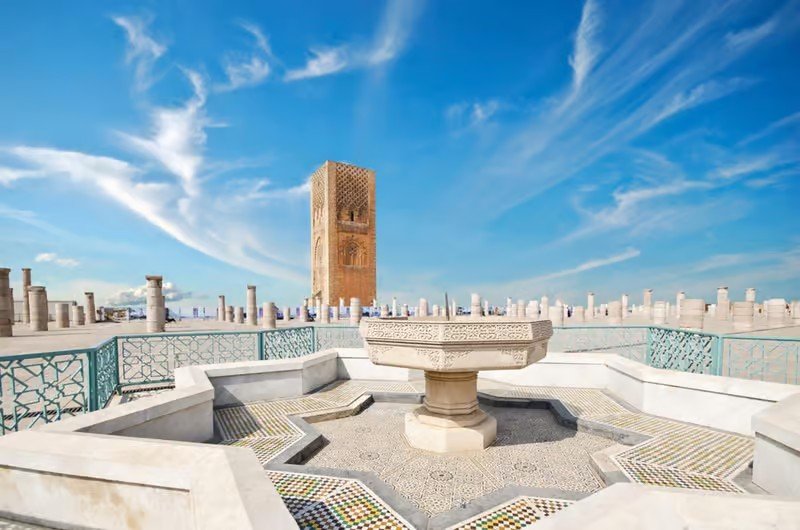
Mausoleum of Mohammed V, Rabat
Across the river stands the Hassan Tower, an unfinished 12th-century minaret soaring 44 meters, part of an ambitious mosque project abandoned after an earthquake. Adjacent, the Mausoleum of Mohammed V houses the tombs of the late king and his sons in ornate marble and gold leaf, guarded by royal sentinels in traditional attire. The site's cedar ceilings and zellige tiles exemplify Islamic artistry—free entry, open 8 AM-6 PM. Tip: Photograph from the esplanade for panoramic views; combine with a respectful visit inside, removing shoes and maintaining silence.
For ancient intrigue, Chellah's ruins blend Roman, Phoenician, and medieval Islamic remnants amid stork-nested minarets and lush gardens (70 MAD entry, open 8:30 AM-6 PM). Wander the necropolis and pools for a peaceful escape. Tip: Spring visits coincide with blooming flora; audio guides (extra 20 MAD) provide context.
Art enthusiasts will adore the Mohammed VI Museum of Modern and Contemporary Art, featuring over 200 Moroccan artists in a striking modern building (50 MAD, closed Mondays). Temporary exhibits in 2026 may tie into cultural festivals—check the official site for schedules.
Rabat's beaches, like Plage de Rabat, offer golden sands for sunset strolls (free), while the Royal Palace (exterior views only) showcases opulent gates guarded by ceremonial troops. Culinary highlights include tagine at seaside spots (100-200 MAD) or street food in the medina.
In 2026, time your visit for Mawazine, drawing millions with free concerts—book accommodations early. Rabat's camaraderie shines in communal experiences, from tea ceremonies to market bargaining, fostering connections in an eco-conscious city emphasizing site preservation.
For luxury, stay at riads like Riad Kalaa (from 1,500 MAD/night) for traditional immersion. Rabat isn't just a stopover; it's a symphony of sea, history, and flavor that beckons return visits.
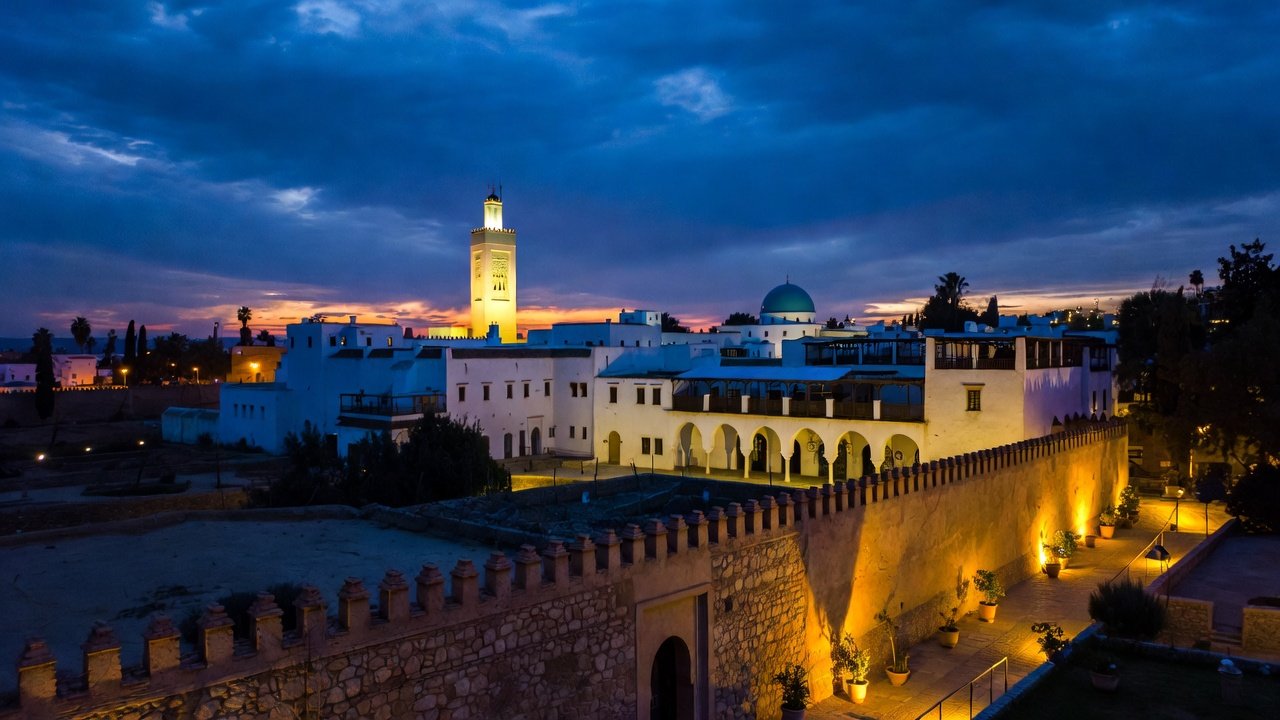
Vista of the Kasbah des Oudaias at Dusk