
Top Attractions and Practical Tips
Kyoto's highlights include iconic temples like Kiyomizu-dera and Fushimi Inari Taisha, alongside cultural districts such as Gion and natural escapes like Arashiyama. For a smooth trip, use public transport like buses or the JR Pass for efficiency, and consider a Kyoto City Bus Pass (¥700/day) for unlimited rides. Respect local etiquette by removing shoes indoors, staying quiet in sacred areas, and using cash at smaller vendors. Download apps like Google Translate for navigation and Hyperdia for train schedules.
Getting There and Around
Fly into Kansai International Airport (KIX) and take the JR Haruka Express (about 75 minutes, ¥2,300) to Kyoto Station. Within the city, rent bikes (¥1,000–¥2,000/day) for flexible exploration, especially in areas like Arashiyama. Taxis are reliable but pricier (¥1,000–¥2,000 for short trips).
Where to Stay and Eat
Opt for ryokans in Gion for traditional stays (from ¥15,000/night) or modern hotels near Kyoto Station for convenience. Sample kaiseki meals or street food at Nishiki Market—try yudofu (tofu hot pot) for ¥1,000–¥2,000. Vegetarian options abound due to temple influences.
Kyoto, Japan, stands as the cultural heart of the nation, where over 2,000 temples and shrines blend seamlessly with misty mountains and seasonal spectacles. Once Japan's imperial capital for more than a millennium, the city draws visitors with its serene energy, whispering tales of samurai, geisha, and zen philosophy. The air often carries subtle hints of incense and matcha, inviting a mindful exploration that balances historical depth with modern subtlety. As of 2026, Kyoto remains a UNESCO-recognized gem, emphasizing sustainable tourism amid its timeless allure.
Perched on a hillside with panoramic city views, Kiyomizu-dera Temple offers an enchanting start to any Kyoto journey. Founded in 778 AD, this UNESCO World Heritage Site features a remarkable wooden stage extending over the valley, supported without nails—a testament to ancient Japanese engineering resilient against earthquakes. The views transform seasonally: pink sakura in spring, fiery reds in autumn. Legend holds that drinking from the Otowa Waterfall's three streams grants wishes for health, love, or success. Entry costs ¥400, with special night illuminations adding a magical glow—check schedules on the official site. Tip: Visit early morning (opens at 6 AM) to beat crowds; wear comfortable shoes for the hillside paths, and combine with a stroll through nearby Higashiyama's traditional shops for souvenirs like handmade fans or ceramics. Best time: Spring or autumn for foliage-enhanced vistas.
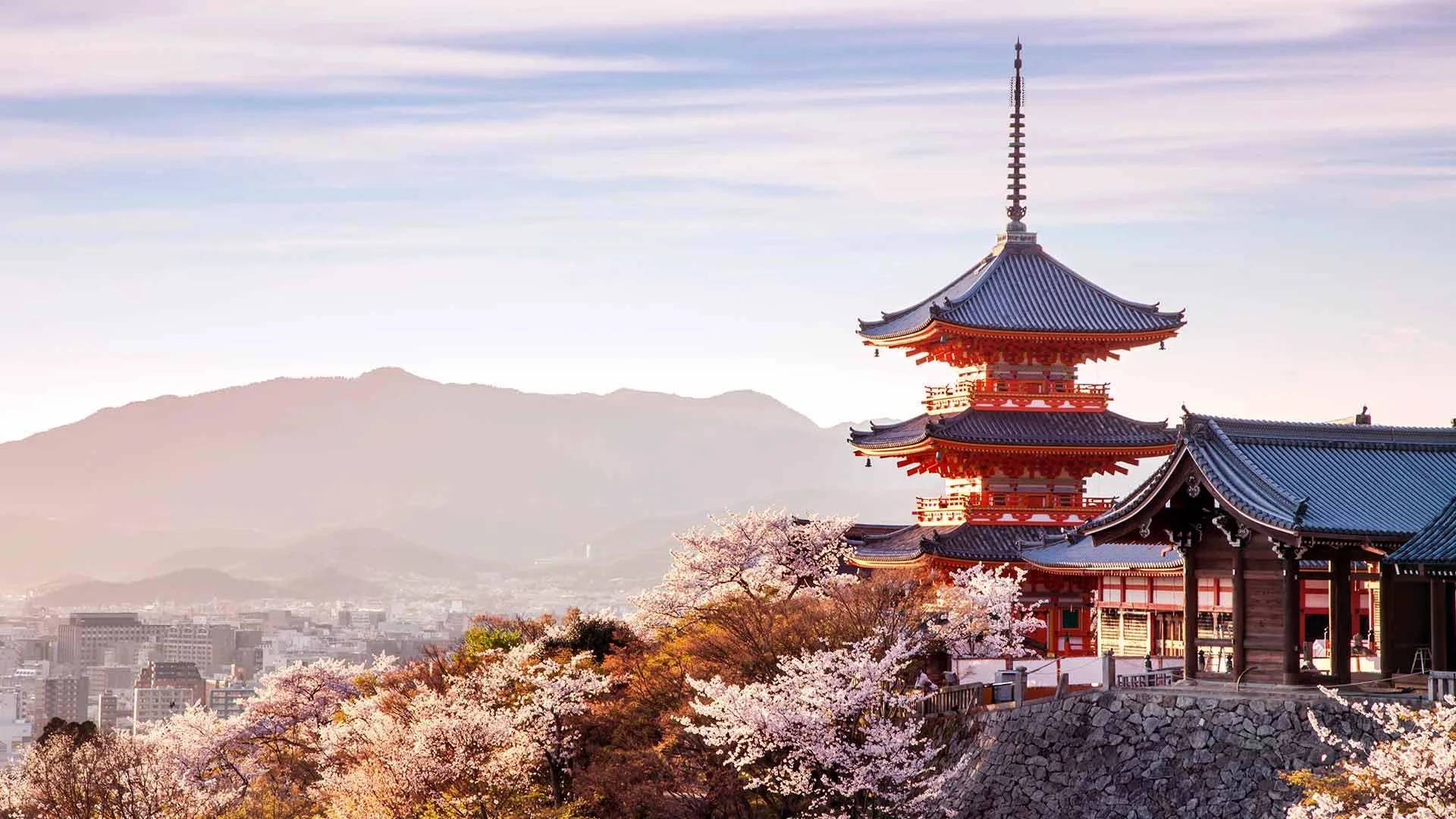
Cherry Blossoms in Kyoto
Venturing into Gion, Kyoto's renowned geisha district, evokes a sense of stepping back in time. Cobblestone streets lined with preserved wooden teahouses come alive at dusk, where respectful sightings of maiko (apprentice geisha) in elaborate kimonos add cultural intrigue. The area pulses with history as an active hanamachi (geisha quarter), offering glimpses into traditional arts. For deeper immersion, attend a performance at Gion Kagai Art Museum, including a dance show for ¥3,000—reserve via their site. Tip: Evening visits (after 6 PM) are ideal for atmosphere, but maintain etiquette by not photographing geisha without permission; explore side streets like Hanamikoji for lantern-lit charm, and pair with dinner at a nearby izakaya for local sake tasting. Free to wander, though shows have fees; best in mild weather to enjoy outdoor strolls.
Nearby, Fushimi Inari Taisha's iconic vermilion torii gates create a hypnotic pathway up Mount Inari, symbolizing prosperity and dedicated to the fox deity Inari. The shrine's 4-kilometer trail winds through forested hills, dotted with sub-shrines and fox statues—hike the full path for rewarding panoramic views. Entry is free, open 24/7, but dawn visits minimize crowds. Tip: Start early (around 7 AM) for solitude; bring water and snacks as the ascent takes 2–3 hours, and stop at teahouses along the way for kitsune udon (fox noodles) at ¥800–¥1,000. Download the official app for maps and virtual tours. Year-round appeal, though spring cherry blossoms or autumn leaves enhance the vibrant gates.
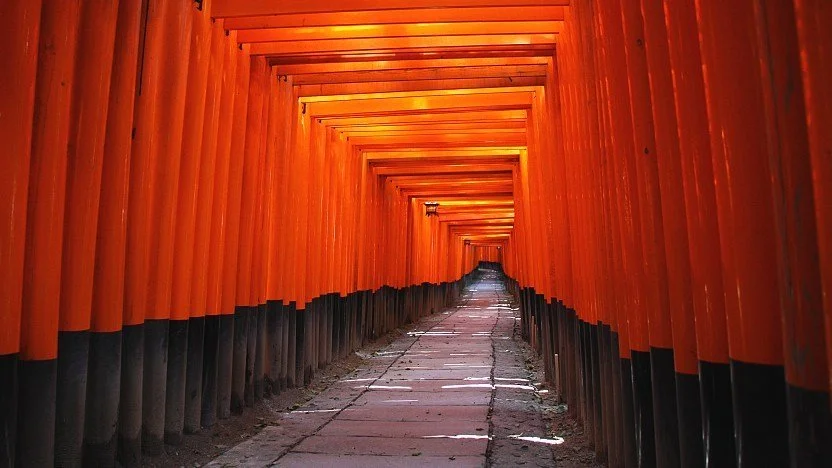
Fushimi Inari Shrine (Fushimi Inari Taisha)
Kyoto's culinary landscape shines at Nishiki Market, known as "Kyoto's Kitchen," a 400-year-old hub spanning five blocks with over 100 stalls. Vendors offer fresh pickles, sweets, seafood, and kaiseki ingredients—sample yudofu (simmered tofu) for ¥1,000–¥2,000, reflecting the city's temple-inspired vegetarian cuisine. Free entry, but food costs vary (¥500+ per item); open daily 9 AM–6 PM. Tip: Visit during lunchtime for peak freshness; try free samples, but buy to support vendors—pair with a matcha soft serve for ¥500. Explore via the official guide. Best in cooler months to comfortably navigate the covered arcade.
Nature enthusiasts will find respite in Arashiyama, where the Bamboo Grove's towering stalks form an otherworldly canopy, filtering light into a serene green pathway. Adjacent, Tenryu-ji Temple's zen gardens (entry ¥500) provide a World Heritage oasis for reflection. Rent bikes (¥1,000/day) to cruise riverside paths or visit Iwatayama Monkey Park (¥550) for wildlife encounters. Tip: Arrive before 9 AM to avoid tour groups; combine with a Hozu River boat ride (¥4,100, book here) for scenic views—wear layers as mornings can be crisp. Free grove access; optimal anytime, especially dawn or dusk for ethereal lighting.
Communal traditions thrive in experiences like tea ceremonies at Kennin-ji Temple, Japan's oldest zen temple, where sessions (¥1,500) teach the art of matcha preparation amid historic surroundings. Year-round, but book ahead via the site. Tip: Wear socks (no shoes allowed); sessions last 45 minutes—extend with a garden walk for full tranquility. As 2026 trends favor eco-conscious travel, Kyoto promotes guidelines like no-touching artifacts to preserve sites.
Beyond these, Kyoto's camaraderie emerges in seasonal events: spring's cherry blossom festivals, summer's Gion Matsuri parades, autumn's Momiji foliage hikes, and winter's illuminations. For luxury, ryokans like Hiiragiya (from ¥50,000/night, book here) offer kaiseki dinners and onsen baths, blending opulence with heritage. Kyoto isn't mere sightseeing—it's an invitation to reflect, connect, and savor a symphony of history, nature, and culture that lingers long after departure.